My leverage is everything around the model: deploying it, securing it, monitoring it, controlling its cost and wiring it into real systems. That is infrastructure work pointed at a new target. After 25 years I know what is worth asking across backup, virtualization, identity and security tools, because I know how they break.
I build internal platforms that pull data from many vendor systems into one operational store, then put an agentic layer on top: tools the model can call, routing to the right source, and a human approving anything that matters. I also run a full homelab, where I try things before they go anywhere important.
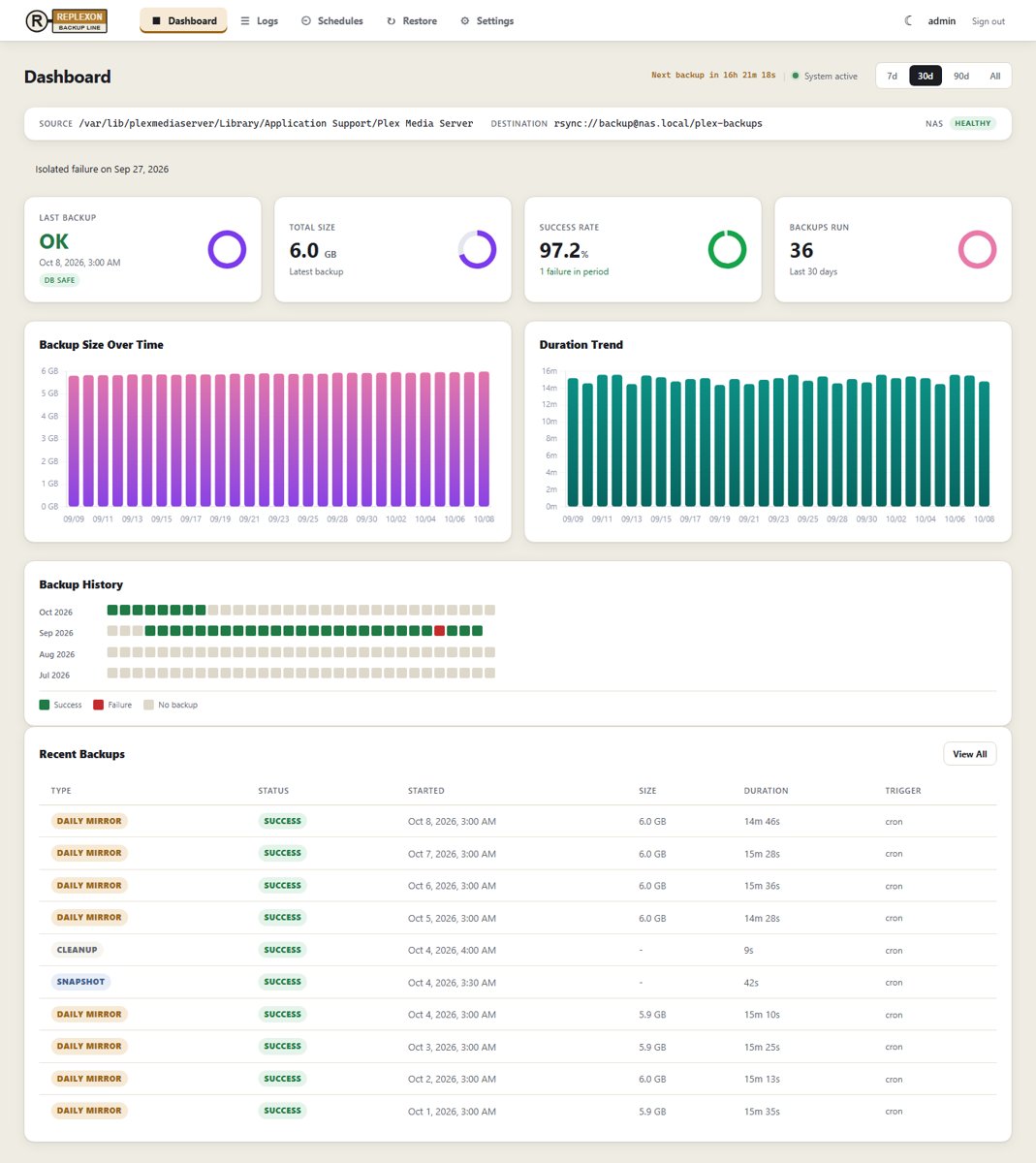
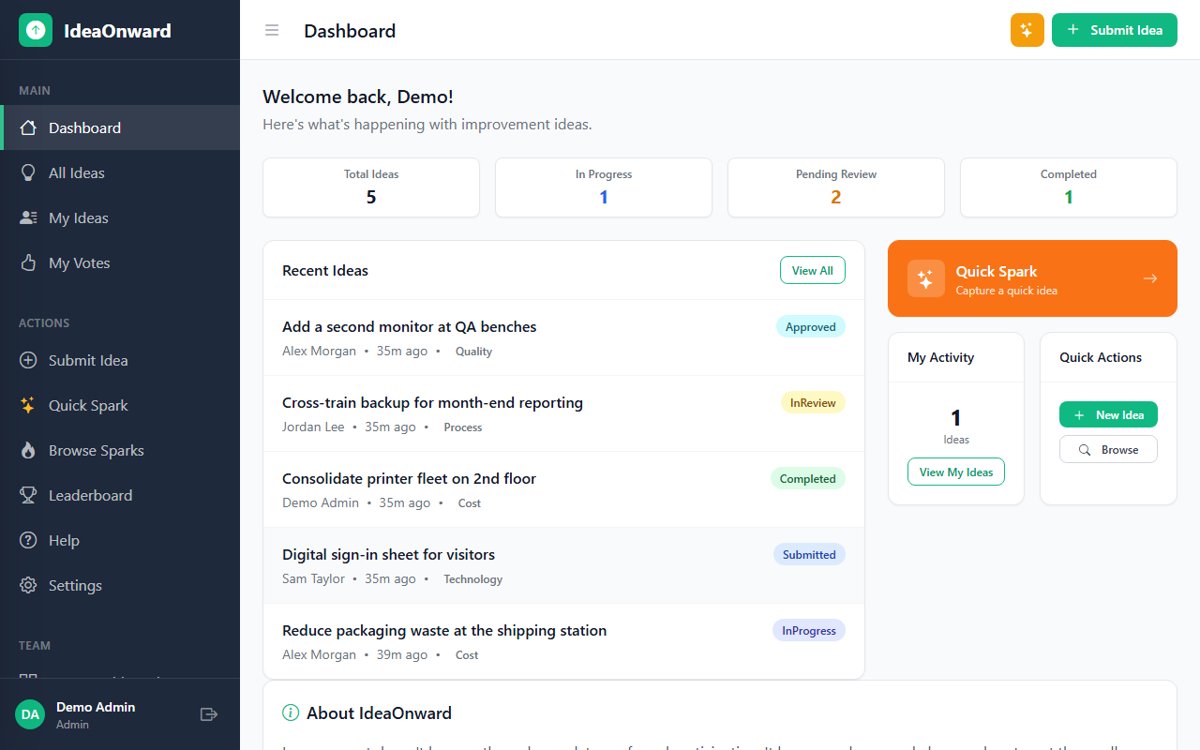
Rounded figures from platforms I have built and run.
lower LLM cost per interaction, with throughput up at the same time
vendor systems brought together into one operational data store
tools defined for agentic routing across that stack
faster reporting queries after restructuring the data layer
helpdesk tickets a year removed by automating one recurring notice
of routine helpdesk work traced to six repeatable streams, each a candidate for automation
A one-year plan, learned by running real AI workloads at home.

This is the name I work under. It comes from the roundup: gathering scattered cattle into one herd before anyone can move them. I do the same with scattered IT data, with AI doing the riding.
Read the storyAI integration and internal AI platform engineering: building the plumbing that lets AI reach the systems that matter, and bringing people and systems together.
No. I do not train models. My leverage is everything around the model: deploying it, securing it, monitoring it, controlling its cost and wiring it into real systems.
Context management, picking the right model for each job, and measuring cost against the work delivered. That approach cut LLM cost per interaction by roughly 40% while throughput went up.
A human approves anything destructive, tools are read-only by default, and every tool definition documents its API contract and known failure modes. I snapshot before and after changes.
Claude Code for building and automation, MCP for tool access, local Ollama models for bulk, low-stakes work, and Gemini for image and video generation.
On GitHub, and in the Featured Works on the home page.